
Essential Revere Ware Utensils for Professional Cooking

Professional Stainless Steel Cooking Spoon Set
This comprehensive 10-piece cooking spoon set features ergonomic handles and mirror-polished stainless steel construction. Each spoon is designed for specific cooking tasks, from stirring sauces to serving soups, making them essential tools for any serious cook.
Key Features:
- Mirror-polished stainless steel construction
- Ergonomic comfort-grip handles
- Heat-resistant up to 400°F
- Dishwasher safe design
- Seamless one-piece construction
- Professional weight and balance
- Magnetic base for storage
- Lifetime durability guarantee
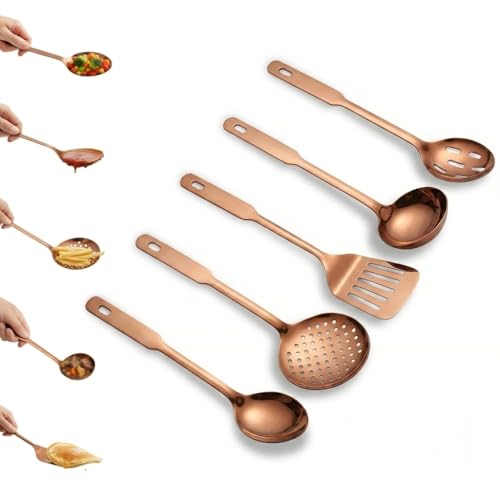
Copper Core Slotted Turner
The copper core slotted turner combines the superior heat conductivity of copper with stainless steel durability. This versatile utensil features precision slots for perfect drainage and a comfortable grip that stays cool during extended cooking sessions.
Key Features:
- Copper core heat distribution
- Precision drainage slots
- Cool-touch handle design
- Non-reactive stainless steel surface
- Balanced weight distribution
- Professional chef approved
- Easy-clean construction
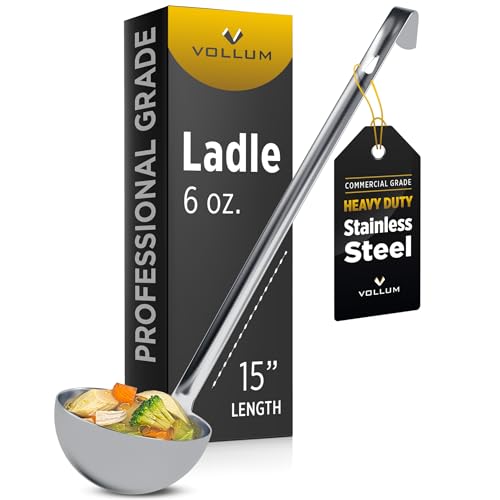
Heavy-Duty Sauce Ladle
This heavy-duty sauce ladle features a deep bowl design perfect for serving soups, stews, and sauces. The long handle provides safe distance from heat while the pour spout ensures precise serving without drips or spills.
Key Features:
- Deep bowl capacity design
- Precision pour spout
- Extended handle length
- Heat-resistant construction
- Non-slip grip surface
- Professional kitchen grade
- Stain-resistant finish

Multi-Function Tasting Spoons
These elegant tasting spoons are perfect for sampling sauces, adjusting seasonings, and plating presentations. Each spoon in this 10-piece set is sized for different tasting needs, from delicate broths to thick reductions.
Key Features:
- Multiple size options
- Elegant presentation design
- Food-safe materials
- Easy-grip handles
- Stackable storage design
- Professional appearance
The Heritage and Craftsmanship Behind Quality Kitchen Utensils
Kitchen utensils represent more than mere tools – they embody the artistry and precision that define exceptional culinary experiences. When you invest in a quality set of 10 premium utensils, you’re choosing instruments that have been refined through generations of cooking excellence.
The craftsmanship behind professional-grade kitchen tools reflects decades of innovation in metallurgy, ergonomics, and functional design. Each piece in a comprehensive 10-piece collection serves a specific purpose, from the delicate work of sauce adjustment to the robust demands of heavy stirring and turning.
Superior Materials and Construction
Premium kitchen utensils feature multi-layered construction that combines different metals for optimal performance. The use of stainless steel provides corrosion resistance and easy maintenance, while copper cores enhance heat distribution and responsiveness.
The manufacturing process involves precision forging and polishing techniques that create seamless, hygienic surfaces. When you examine a quality utensil set of 10 pieces, you’ll notice the attention to detail in every curve, edge, and junction.
Design Philosophy and Functionality
Ergonomic design principles guide the creation of handles that remain comfortable during extended cooking sessions. The balance point of each utensil is carefully calculated to reduce hand fatigue and provide precise control.
Professional chefs often prefer utensil sets that include at least 10 essential pieces, as this provides the versatility needed for complex meal preparation. Each tool in such a collection is designed to complement the others, creating a cohesive cooking experience.
Essential Utensil Types Every Kitchen Needs
A well-equipped kitchen requires specific utensils that address fundamental cooking techniques and food preparation needs. Understanding the purpose and proper use of each tool helps maximize both efficiency and culinary results.
Stirring and Mixing Tools
Cooking spoons form the backbone of any utensil collection, with different sizes and shapes serving distinct purposes. A comprehensive set of 10 cooking implements should include both solid and slotted spoons for versatile food handling.
Long-handled spoons provide safety when working with deep pots or high-heat cooking methods. The bowl depth and shape affect how effectively ingredients are incorporated and how smoothly sauces flow.
Turning and Flipping Implements
Spatulas and turners require specific design features to handle delicate foods without damage. The flexibility of the blade, the angle of the head, and the length of the handle all contribute to successful food manipulation.
Slotted turners allow excess oil or liquid to drain away, making them ideal for foods that require crispness or when reducing moisture content is important.
Serving and Portioning Utensils
Ladles and serving spoons bridge the gap between cooking and presentation. A quality ladle should hold consistent portions while providing smooth, controlled pouring.
Tasting spoons, often included in sets of 10 or more pieces, enable chefs to sample and adjust flavors throughout the cooking process without contaminating the main utensils.
Material Science and Performance Characteristics
The performance of kitchen utensils directly correlates with the materials used in their construction and the manufacturing processes applied. Understanding these technical aspects helps in selecting tools that will perform reliably for years.
Stainless Steel Advantages
High-grade stainless steel offers superior corrosion resistance and maintains its appearance through thousands of uses. The chromium content creates a passive oxide layer that protects against staining and bacterial growth.
Different steel grades provide varying levels of magnetic properties, which affects storage options and heat conductivity. Premium utensil sets often feature 18/10 stainless steel, indicating 18% chromium and 10% nickel content for optimal durability.
Multi-Layer Construction Benefits
Advanced utensils incorporate multiple metal layers to optimize performance characteristics. Copper cores provide excellent heat distribution, while stainless steel exteriors offer durability and easy maintenance.
The bonding process between different metals requires precise temperature and pressure control to ensure permanent adhesion. Quality utensils maintain their layered structure even after years of professional use.
Surface Treatments and Finishes
Mirror polishing creates smooth surfaces that resist food adhesion and simplify cleaning. Brushed finishes hide minor scratches while maintaining an attractive appearance.
Some manufacturers apply specialized coatings that enhance non-stick properties without compromising the metal’s natural characteristics. A complete set of 10 professional utensils often features consistent finishing across all pieces for aesthetic unity.
Proper Care and Maintenance for Longevity
Maintaining kitchen utensils properly ensures decades of reliable service and preserves their functional and aesthetic qualities. Professional-grade tools justify their investment through exceptional longevity when cared for correctly.
Daily Cleaning Protocols
Immediate cleaning after use prevents food residue from bonding to metal surfaces. Warm, soapy water effectively removes most cooking residues without requiring abrasive cleaning methods.
For stubborn residues, soaking in warm water softens deposits for easy removal. Avoid using steel wool or abrasive cleaners that can scratch polished surfaces and create areas where bacteria might harbor.
Storage Solutions and Organization
Proper storage protects utensil edges and prevents contact damage between pieces. Magnetic strips provide convenient access while keeping utensils separated and easily visible.
Utensil crocks or divided drawers work well for sets of 10 or more pieces, allowing organization by function or frequency of use. Ensure adequate air circulation to prevent moisture accumulation.
Long-term Preservation
Periodic deep cleaning with specialized metal cleaners restores original luster and removes accumulated oxidation. Apply food-safe mineral oil to handles if they show signs of drying.
Inspect utensils regularly for loose joints, cracks, or excessive wear that might compromise food safety or performance. Quality utensils often come with warranties that cover manufacturing defects for extended periods.
Professional Techniques and Usage Tips
Mastering proper utensil techniques enhances both cooking efficiency and food quality. Professional chefs develop specific methods that maximize each tool’s effectiveness while minimizing effort and time.
Heat Management and Safety
Understanding how different utensil materials conduct heat helps prevent burns and maintains comfortable handling. Stainless steel handles heat slowly but retain temperature, while specialized cool-touch designs provide safety during extended cooking.
When working with high-heat cooking methods, position utensils to minimize heat transfer to handles. Some professional sets include 10 pieces with varying handle lengths for different temperature applications.
Technique Optimization
Proper stirring motions distribute heat evenly and prevent sticking without damaging delicate ingredients. Figure-eight patterns work effectively for sauces, while circular motions suit rice and grain dishes.
Flipping and turning require confidence and proper utensil positioning. Practice with less critical ingredients builds muscle memory for important dishes.
Efficiency Strategies
Keep frequently used utensils within easy reach of cooking surfaces. A well-organized set of 10 essential tools should cover 90% of typical cooking tasks without requiring specialized implements.
Develop personal preferences for specific utensils based on hand size, cooking style, and most common recipes. This personalization improves cooking enjoyment and results over time.
Frequently Asked Questions
Investing in Quality Kitchen Utensils for Culinary Excellence
Selecting the right kitchen utensils represents a fundamental investment in culinary success and cooking enjoyment. A thoughtfully chosen set of 10 essential pieces provides the foundation for efficient meal preparation and consistent results across all cooking techniques.
The materials, construction methods, and design principles that define premium utensils directly impact their performance and longevity. Stainless steel construction, ergonomic handles, and precision manufacturing create tools that respond predictably and maintain their functionality through years of regular use.
Proper care and maintenance practices ensure that quality utensils continue performing at their peak while preserving their appearance and food safety characteristics. The time invested in learning proper cleaning and storage techniques pays dividends in extended tool life and consistent performance.
The transition from basic to professional-grade kitchen utensils marks a significant step in culinary development. Quality tools inspire confidence, enable advanced techniques, and ultimately contribute to more enjoyable and successful cooking experiences that justify their initial investment many times over.