
Revere Ware History: From Revolutionary Copper to Kitchen Icon
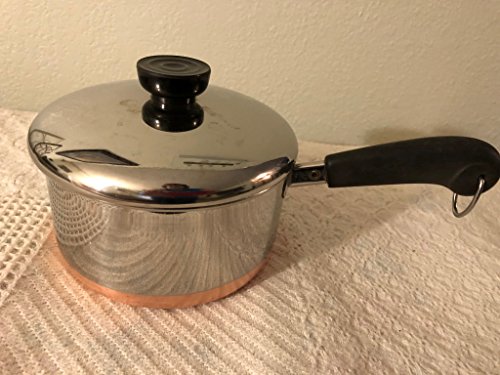
Classic Revere Ware Copper Bottom Cookware Set
The iconic copper-bottom stainless steel cookware that made Revere Ware famous. Features the traditional design that has graced American kitchens for over 50 years, combining superior heat distribution with timeless style.
Key Features:
- Copper-clad bottom for even heat distribution
- 18/8 stainless steel construction
- Bakelite handles with signature design
- Compatible with all cooktop types
- Dishwasher safe finish
- Oven safe up to 350°F
- Lifetime durability guarantee

Vintage Revere Ware Tea Kettle
The quintessential whistling tea kettle that became an American kitchen staple. This copper-bottom kettle represents over 50 years of trusted craftsmanship and reliable performance in countless homes nationwide.
Key Features:
- Polished copper bottom
- Stainless steel body
- Comfortable Bakelite handle
- Clear whistle spout
- 2-quart capacity
- Heat-resistant knob
- Classic dome design
- Easy-pour functionality
The Paul Revere Legacy and Early Foundations
The story of Revere Ware begins with one of America’s most famous patriots, Paul Revere, whose midnight ride was just one chapter in his remarkable life. Long before his famous warning cry, Revere was already establishing himself as one of colonial America’s finest silversmiths and metalworkers. His Boston workshop, founded in the 1760s, would lay the groundwork for what would become a cookware empire spanning over 50 states.
Paul Revere’s expertise in copper working became legendary throughout New England, with his craftsmanship sought after by wealthy merchants and political figures alike. His innovative techniques in shaping and finishing copper would influence American metalworking for generations. The quality standards he established in his workshop became the foundation upon which the modern Revere Ware company would build its reputation.
From Silversmith to Industrial Pioneer
After the Revolutionary War, Paul Revere expanded his metalworking operations beyond silver and into copper manufacturing on an industrial scale. By 1801, he had established the Revere Copper Company in Canton, Massachusetts, which would operate for over 50 years as one of America’s premier copper producers. This facility pioneered many techniques still used in modern copper processing today.
The transition from artisanal silversmithing to industrial copper production marked a pivotal moment in American manufacturing history. Revere’s innovative approach to mass production while maintaining quality standards set precedents that would influence the cookware industry for decades. His emphasis on both functionality and aesthetic appeal became hallmarks that would later define the Revere Ware brand identity.
The Birth of Modern Revere Ware Cookware
The transformation from industrial copper manufacturing to household cookware began in the early 1930s when the Revere Copper and Brass Company recognized an opportunity in the growing American kitchen market. Drawing inspiration from Paul Revere’s legacy of quality craftsmanship, the company developed its first line of copper-bottom cookware that would revolutionize home cooking for over 50 million American families.
The breakthrough came with the innovative combination of stainless steel construction and copper-clad bottoms, creating cookware that offered superior heat distribution while remaining practical for everyday use. This revolutionary design addressed common cooking problems that had plagued home cooks for generations. The copper bottom provided excellent heat conduction, while the stainless steel interior offered durability and easy maintenance.
Innovation in Kitchen Design
Revere Ware’s introduction of Bakelite handles in the 1930s represented another significant innovation in cookware design. These heat-resistant handles, with their distinctive appearance, became an iconic feature that would define the brand for over 50 years. The ergonomic design and heat-resistant properties made cooking safer and more comfortable for millions of home cooks.
The company’s commitment to continuous improvement led to numerous design refinements throughout the following decades. Each enhancement maintained the core principles established by Paul Revere’s original workshop: superior craftsmanship, functional design, and lasting durability. These innovations helped establish Revere Ware as America’s most trusted cookware brand.
The Golden Age: Post-War Kitchen Revolution
The period following World War II marked the golden age of Revere Ware, as returning veterans and their families embraced modern kitchen conveniences. The brand became synonymous with the American dream of suburban domesticity, appearing in over 50 percent of new homes built during the 1950s housing boom. This widespread adoption established Revere Ware as more than just cookware – it became a cultural icon.
Marketing campaigns of the 1950s and 1960s emphasized both the heritage connection to Paul Revere and the modern convenience of the copper-bottom design. Television advertisements featuring the distinctive whistle of Revere Ware tea kettles became embedded in American popular culture. The brand’s presence in department stores nationwide made quality cookware accessible to middle-class families across all 50 states.
Manufacturing Excellence and Quality Control
During this peak period, Revere Ware manufacturing facilities maintained strict quality control standards that ensured consistent performance across all product lines. The company’s Rome, New York facility became a model of efficient cookware production, utilizing advanced techniques while preserving the handcrafted quality that had defined the brand for over 50 years.
The manufacturing process involved multiple quality checkpoints, from the initial copper cladding to the final polishing stages. This attention to detail resulted in cookware that could withstand decades of regular use while maintaining its appearance and performance. Many sets purchased during this era continue to function excellently in kitchens today, testament to the superior engineering and materials used in production.
Design Evolution and Cultural Impact
Throughout its history, Revere Ware has undergone numerous design evolutions while maintaining its core aesthetic principles. The distinctive copper bottom and stainless steel combination remained constant, but subtle refinements in proportions, handle design, and finishing techniques reflected changing kitchen trends and cooking preferences over more than 50 years of continuous production.
The cultural impact of Revere Ware extended far beyond the kitchen, with the brand appearing in countless television shows, movies, and advertisements as a symbol of American domesticity. The sight of a Revere Ware tea kettle on a stovetop became shorthand for the comfortable, well-appointed American home. This cultural resonance helped maintain brand loyalty across multiple generations of families.
Adapting to Changing Kitchen Technology
As kitchen technology evolved, Revere Ware adapted its designs to remain compatible with new cooking methods and appliances. The transition from gas to electric cooktops, and later to induction cooking, required engineering modifications while preserving the brand’s signature appearance and performance characteristics that had defined it for over 50 years.
The company’s ability to balance tradition with innovation ensured that Revere Ware remained relevant in changing kitchen environments. Modern collections incorporate contemporary safety features and manufacturing techniques while maintaining the visual and functional elements that made the brand famous. This careful evolution has allowed new generations to discover the quality and reliability that established Revere Ware’s reputation.
Challenges and Ownership Changes
Like many American manufacturing companies, Revere Ware faced significant challenges as global competition intensified and manufacturing costs rose throughout the latter half of the 20th century. The brand experienced several ownership changes, each bringing different strategies for maintaining profitability while preserving the quality standards that had defined the company for over 50 years.
The transition from American manufacturing to overseas production marked a controversial period in the brand’s history. While this change allowed Revere Ware to remain competitive in an increasingly global marketplace, it also raised questions about maintaining the quality standards that had made the brand famous. Consumer concerns about these changes reflected the deep emotional connection many Americans felt to the brand and its heritage.
Maintaining Quality Standards
Despite manufacturing location changes, efforts to maintain Revere Ware’s reputation for quality remained paramount. New ownership groups invested in quality control systems and manufacturing oversight to ensure that products continued to meet the performance standards consumers expected. The challenge of balancing cost reduction with quality maintenance became a defining issue for the brand’s future direction.
Modern Revere Ware continues to serve millions of customers across all 50 states, though the brand operates in a much more competitive cookware market than during its mid-century heyday. The enduring appeal of the copper-bottom design and the strength of the Paul Revere heritage connection continue to attract new customers while maintaining loyalty among long-time users.
Legacy and Modern Revival
Today, Revere Ware’s legacy as an American cookware icon remains strong, with vintage pieces highly sought after by collectors and cooking enthusiasts. The brand’s association with Paul Revere continues to resonate with consumers who value heritage and craftsmanship in their kitchen equipment. This connection to American history provides a unique positioning that has sustained the brand through over 50 years of market changes and competition.
The modern cookware market has seen renewed interest in traditional designs and quality construction, trends that favor Revere Ware’s core value proposition. Contemporary consumers, particularly those interested in sustainable and durable kitchen equipment, appreciate the longevity and repairability that characterized classic Revere Ware pieces. This renewed appreciation has sparked interest in both vintage and modern Revere Ware collections.
The Enduring Appeal of Copper-Bottom Cookware
The scientific principles behind Revere Ware’s copper-bottom design remain as valid today as they were when first introduced over 50 years ago. Copper’s superior heat conduction properties provide even cooking temperatures and quick response to heat adjustments, advantages that modern cooking technology has not superseded. This enduring functionality explains why the basic Revere Ware design has remained largely unchanged despite decades of innovation in cookware materials and construction.
Modern Revere Ware continues to attract both nostalgic buyers seeking to recreate childhood memories and practical cooks who value proven performance over trendy features. The brand’s ability to evoke both emotional connections and deliver functional benefits positions it uniquely in today’s crowded cookware marketplace, ensuring that Paul Revere’s legacy continues to influence American kitchens.
Frequently Asked Questions
The Enduring Legacy of American Cookware Innovation
The history of Revere Ware represents one of the most remarkable stories in American manufacturing, spanning from colonial craftsmanship to modern kitchen innovation. Paul Revere’s legacy of metalworking excellence, established over 50 years before the Revolutionary War, laid the foundation for what would become America’s most recognizable cookware brand. This connection between historical craftsmanship and modern functionality continues to resonate with consumers who value both heritage and performance in their kitchen equipment.
Throughout its evolution, Revere Ware has demonstrated remarkable adaptability while maintaining the core principles that made it famous. The copper-bottom design introduced in the 1930s remains scientifically sound and functionally superior, proving that good engineering transcends fashion trends. Despite ownership changes and manufacturing relocations, the brand has preserved the essential characteristics that made it a fixture in American homes for over 50 years.
The cultural impact of Revere Ware extends far beyond its practical applications, representing an era when American manufacturing led the world in innovation and quality. The sight of copper-bottom pots and the sound of a whistling Revere Ware kettle evoke powerful memories of family kitchens and home cooking traditions. This emotional connection, combined with proven performance, ensures that Revere Ware remains relevant in contemporary kitchens across all 50 states.
As we look toward the future, Revere Ware’s story serves as both inspiration and instruction for modern manufacturers. The balance between honoring tradition and embracing innovation, maintaining quality while adapting to market pressures, and preserving brand identity through changing ownership demonstrates the challenges facing heritage brands in a global economy. The enduring appeal of Revere Ware proves that consumers still value the principles Paul Revere established in his Boston workshop: superior craftsmanship, functional design, and lasting quality that stands the test of time.