
Is Revere Ware Oven Safe: Complete Temperature Guide and Safety Tips

Revere Ware Stainless Steel Stockpot
Heavy-duty stainless steel construction with copper bottom for even heat distribution. Features riveted handles and tight-fitting lid for versatile cooking. Perfect for stovetop to oven cooking up to recommended temperature limits.
Key Features:
- Stainless steel body
- Copper-clad bottom
- Riveted stainless handles
- Oven safe to 350°F
- Dishwasher safe
- Compatible with all cooktops
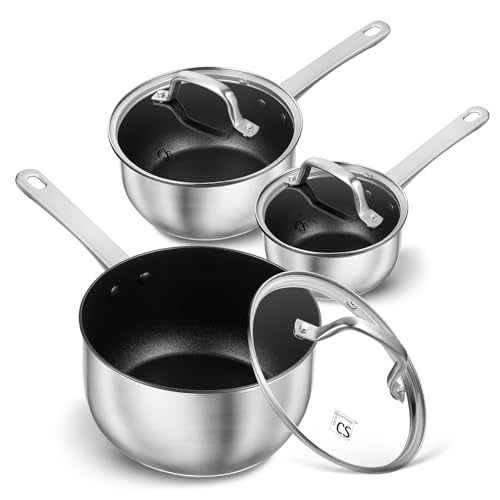
Revere Ware Sauce Pan Set
Classic sauce pans with signature copper bottom and stainless steel construction. Ergonomic handles provide comfortable grip and control. Ideal for sauces, melting, and oven finishing techniques within safe temperature ranges.
Key Features:
- Copper bottom technology
- Stainless steel construction
- Heat-resistant handles
- Multiple size options
- Oven safe design
- Easy-pour spouts
- Graduated capacity markings
Understanding Revere Ware Oven Safety Basics
Revere Ware cookware has been a trusted kitchen staple for decades, but many home cooks wonder about its oven safety capabilities. The answer depends on several factors including the specific piece, handle material, and temperature requirements.
Most traditional Revere Ware pieces are oven safe up to temperatures around 350°F to 400°F. However, this limit varies significantly based on the handle construction and age of your cookware. Older Revere Ware pieces often feature Bakelite or phenolic resin handles that have lower heat tolerance.
The stainless steel body and copper bottom construction of Revere Ware can typically withstand higher temperatures than the handles allow. This means the limiting factor for oven safety is usually the handle material rather than the pot or pan itself.
Temperature Limitations by Handle Type
Revere Ware pieces with Bakelite handles should not exceed 350°F in the oven. These dark-colored plastic handles were common in vintage sets and can crack or melt at higher temperatures. Always check your handles before placing cookware in a preheated oven.
Stainless steel handles on newer Revere Ware pieces can typically handle temperatures up to 400°F safely. These all-metal constructions offer better heat resistance and durability for oven cooking applications.
How to Identify Your Revere Ware Handle Type
Determining whether your Revere Ware is oven safe starts with identifying the handle material. This crucial step ensures you don’t damage your cookware or create safety hazards in your kitchen.
Bakelite handles appear as dark brown or black plastic-like material with a smooth finish. These handles were standard on Revere Ware from the 1930s through the 1980s. They feel solid but have a distinctly different texture than metal when touched.
Stainless steel handles match the body of the cookware and feel cool to the touch initially. These handles are typically found on newer Revere Ware pieces and replacement sets. They’re riveted or welded directly to the pan body.
Visual Inspection Tips
Look for any cracks, chips, or discoloration in Bakelite handles before oven use. These signs indicate heat damage and reduced safety margins. Damaged handles should not be used in oven applications regardless of temperature.
Stainless steel handles should be checked for loose rivets or connections. Ensure the handle attachment points show no signs of stress or separation that could worsen under oven heat.
Safe Oven Temperatures for Different Revere Ware Pieces
Understanding the specific temperature limits for your Revere Ware pieces is essential for safe oven cooking. Different components have varying heat tolerance levels that determine overall oven safety.
Revere Ware stockpots and Dutch ovens with Bakelite handles are typically safe up to 350°F for short periods. Extended cooking times may require lower temperatures around 325°F to prevent handle damage. Always monitor closely during first uses.
Sauce pans and skillets follow similar temperature guidelines based on handle construction. The copper bottom and stainless steel body can handle much higher temperatures, but handles remain the limiting factor for oven safety.
Recommended Temperature Guidelines
For Bakelite handle pieces, limit oven temperatures to 325-350°F maximum. Use lower temperatures for longer cooking times and always preheat the oven before inserting cookware. Sudden temperature changes can stress handle materials.
Stainless steel handle Revere Ware can typically handle 375-400°F safely. However, always consult manufacturer guidelines if available and start with conservative temperatures when uncertain about your specific pieces.
Duration Considerations
Short cooking periods under 30 minutes allow for slightly higher temperatures within safe ranges. Extended cooking over 45 minutes should use more conservative temperature settings. Handle materials can accumulate heat over time, increasing damage risk.
Alternative Methods When Oven Use Isn’t Safe
When your Revere Ware handles aren’t suitable for oven use, several alternative cooking methods can achieve similar results. These workarounds allow you to enjoy your cookware’s excellent heat distribution without safety risks.
Stovetop braising techniques can replicate many oven-cooked dishes using your Revere Ware safely. Low, slow cooking with tight-fitting lids creates similar results to oven braising. Adjust heat levels carefully to prevent hot spots.
Transferring food to oven-safe dishes after initial cooking in Revere Ware provides another solution. Brown meats and vegetables in your trusted cookware, then move to appropriate baking dishes for oven finishing.
Handle Protection Options
Silicone handle covers can provide some additional heat protection for borderline oven-safe pieces. However, these should not be relied upon to make unsafe cookware oven-ready. Use only as extra protection within safe temperature ranges.
Removing handles entirely is possible on some Revere Ware pieces with removable components. Check your specific cookware design to see if handles can be safely detached for oven use.
Replacement Handle Solutions
Some Revere Ware pieces allow handle replacement with more heat-resistant options. Contact the manufacturer or cookware repair services to explore upgrade possibilities for frequently used pieces.
Proper Care After Oven Use
Caring for your Revere Ware after oven use ensures longevity and maintains safety for future cooking. Proper cooling and cleaning techniques prevent damage and preserve the cookware’s performance characteristics.
Allow Revere Ware to cool gradually after oven use rather than plunging into cold water. Rapid temperature changes can warp the metal and stress handle attachments. Let pieces reach room temperature naturally before washing.
Inspect handles carefully after each oven use for signs of heat damage or stress. Look for discoloration, cracks, or loosening that might indicate approaching failure. Address any issues promptly to maintain safety.
Cleaning Best Practices
Wash oven-used Revere Ware with warm soapy water once completely cooled. Avoid abrasive cleaners that might weaken handle attachments or damage the stainless steel finish. Gentle cleaning preserves both appearance and function.
Dry thoroughly to prevent water spots and potential corrosion around handle attachment points. Pay special attention to crevices where moisture might collect and cause problems over time.
Storage Considerations
Store Revere Ware pieces where handles won’t be stressed or damaged. Avoid stacking heavy items on top of pieces that have been used in the oven recently. Handle materials may need time to fully recover from heat exposure.
Upgrading to More Oven-Friendly Cookware Options
While vintage Revere Ware holds sentimental and practical value, modern cookware options offer enhanced oven safety for frequent bakers. Understanding when to upgrade helps maintain both safety and cooking performance.
Newer Revere Ware lines feature improved handle designs with better heat resistance. These updated pieces maintain the classic copper bottom performance while offering greater oven versatility for modern cooking needs.
All-clad and fully stainless construction eliminates handle heat limitations entirely. Consider these options if your cooking style frequently requires high-temperature oven use that exceeds your current Revere Ware capabilities.
When to Consider Replacement
If your Revere Ware handles show significant wear, cracking, or loosening, replacement becomes a safety priority. Don’t risk injury or property damage by continuing to use compromised cookware in oven applications.
Frequent oven cooking above 350°F makes upgrading to more heat-resistant cookware a practical investment. Calculate the cost of new cookware against the limitations of your current pieces.
Maintaining Your Collection
Keep serviceable Revere Ware pieces for stovetop use even after acquiring oven-safe alternatives. The excellent heat distribution properties remain valuable for many cooking applications that don’t require oven finishing.
Frequently Asked Questions
Making Safe Decisions About Revere Ware Oven Use
Understanding whether your Revere Ware is oven safe requires careful consideration of handle materials, temperature limits, and cooking duration. The iconic copper-bottom cookware can provide excellent oven performance when used within appropriate safety parameters.
Bakelite handles limit most vintage Revere Ware to 350°F maximum, while stainless steel handles on newer pieces can typically handle up to 400°F safely. Always inspect your cookware thoroughly before oven use and start with conservative temperatures when uncertain about specific pieces.
When your Revere Ware isn’t suitable for oven use, alternative cooking methods and proper care can extend its useful life for stovetop applications. The excellent heat distribution properties that made Revere Ware famous remain valuable even when oven use isn’t possible.
Prioritize safety over convenience when making decisions about oven use with any cookware. Damaged or questionable pieces should be retired from oven duty to prevent injury or property damage, while serviceable pieces can continue providing excellent cooking performance within their safe operating ranges.