How to Date Revere Ware: Complete Guide to Identifying Vintage Cookware

Vintage Revere Ware Copper Bottom Stock Pot
Authentic vintage stock pot featuring the iconic copper bottom and stainless steel construction. Perfect for collectors seeking pre-1968 pieces with distinctive manufacturing marks and superior heat distribution properties.
Key Features:
- Pre-1968 manufacturing date
- Solid copper bottom construction
- 18/8 stainless steel body
- Bakelite handle with metal mounting
- Process patent stamp marking
- Heavy-gauge steel construction
- Authentic Revere Ware logo
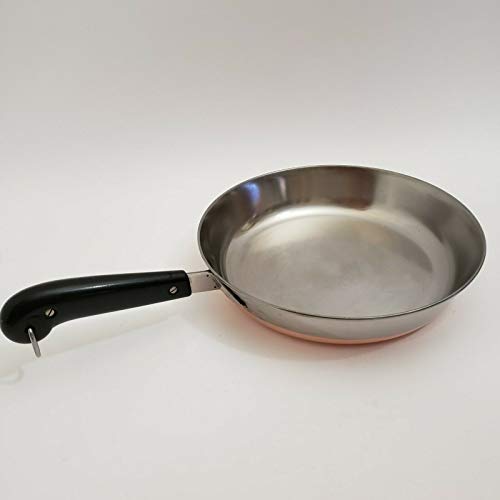
Mid-Century Revere Ware Sauce Pan Set
Complete sauce pan collection from the golden era of Revere Ware production. Features the classic copper-clad bottom design with clear dating stamps for easy identification and authentication by collectors.
Key Features:
- 1950s-1960s production era
- Copper-clad bottom design
- Clinton, Illinois manufacturing
- Clear date stamp markings
- Phenolic handle construction
- Stackable design
- Original Revere logo
- Heat-resistant handle mounting
Understanding Revere Ware Manufacturing Periods and Dating Methods
Dating Revere Ware cookware requires understanding the company’s long manufacturing history spanning over 150 years of American cookware production. The process involves examining specific markings, construction details, and design features that changed throughout different production periods.
Revere Ware pieces manufactured before 1968 represent the most sought-after vintage cookware, featuring solid copper bottoms and superior construction quality. These early pieces can be identified through specific stamp patterns and manufacturing techniques that evolved over the company’s 150-year legacy.
Identifying Pre-1968 Vintage Pieces
The most valuable Revere Ware pieces date from the pre-1968 era when the company used solid copper bottoms rather than copper-plated alternatives. These vintage pieces feature distinctive “Process Patent” stamps and heavier construction that collectors prize for both functionality and historical significance.
Process Patent stamps appear on the bottom of authentic pre-1968 pieces, indicating the original manufacturing method used during the first 150 years of production. The stamp location and clarity help determine authenticity and approximate dating for collector valuation.
Decoding Revere Ware Stamps and Manufacturing Marks
The most reliable method for dating Revere Ware involves examining the stamps and markings found on the bottom of each piece. These manufacturing marks changed significantly over the company’s 150-year production history, providing clear indicators of age and authenticity.
Early Revere Ware pieces feature “Revere Ware” spelled out in full, while later production runs used abbreviated markings or different logo styles. The evolution of these stamps corresponds to specific manufacturing periods spanning the brand’s extensive 150-year timeline.
Process Patent Markings
Process Patent stamps indicate pieces manufactured using the original copper-bottom process, typically dating before 1968. These markings appear as raised text on the copper bottom surface and represent the most authentic vintage Revere Ware from the company’s first 150 years.
The presence and condition of Process Patent markings directly correlate with collector value and authenticity verification. Clear, readable stamps indicate well-preserved pieces from the premium manufacturing era spanning the initial 150 years of production.
Clinton, Illinois Manufacturing Stamps
Pieces marked “Clinton, Illinois” or “Clinton, Ill” indicate production during specific facility operations spanning approximately 150 years of the company’s manufacturing history. These geographical markings help narrow dating ranges and confirm authentic American production.
Clinton facility markings appear alongside other identifying stamps and provide additional verification for pieces produced during the classic 150-year manufacturing period when quality standards remained consistently high.
Design Features That Indicate Age and Production Era
Beyond stamps and markings, several design features help identify the age of Revere Ware pieces throughout the brand’s 150-year production history. Handle styles, bottom construction, and logo placement evolved significantly across different manufacturing periods.
Bakelite handles with metal mounting hardware indicate earlier production, typically from the first half of the company’s 150-year timeline. These handles feature distinctive brown or black coloring and metal rivets that distinguish vintage pieces from modern reproductions.
Copper Bottom Construction Changes
The thickness and construction of copper bottoms changed dramatically throughout Revere Ware’s 150-year manufacturing history. Early pieces feature thick, solid copper bottoms that provide superior heat distribution compared to later copper-plated alternatives.
Solid copper bottoms appear on the most valuable vintage pieces, representing the premium manufacturing standards maintained during the first portion of the company’s 150-year production timeline. These bottoms develop distinctive patina patterns that indicate age and authentic copper content.
Handle Evolution and Dating
Handle styles evolved significantly across the 150-year production span, with early pieces featuring phenolic handles and metal mounting systems. Later production used different materials and attachment methods that help identify manufacturing periods.
The transition from metal-mounted handles to integrated designs occurred during specific periods within the 150-year timeline, providing clear indicators for dating purposes. Handle condition and style remain primary factors in authentication and valuation.
Common Dating Mistakes and Authentication Tips
Many collectors make common mistakes when attempting to date Revere Ware pieces, often overlooking subtle details that span the brand’s extensive 150-year manufacturing history. Understanding these pitfalls helps ensure accurate identification and proper valuation.
Reproduction pieces and modern manufacturing can mimic vintage appearances, making careful examination essential for accurate dating within the 150-year timeline. Authentic vintage pieces display specific wear patterns and construction details that modern reproductions cannot replicate.
Avoiding Reproduction Confusion
Modern reproductions often feature stamps and markings designed to mimic vintage pieces from the classic 150-year production era. However, these reproductions typically lack the weight, copper thickness, and construction quality of authentic vintage cookware.
Authentic pieces from the premium 150-year manufacturing period display specific patina patterns, wear characteristics, and construction details that distinguish them from modern reproductions. Weight differences and copper quality provide immediate authentication clues.
Professional Authentication Resources
When dating valuable pieces potentially spanning the full 150-year production timeline, consulting collectors’ guides and authentication resources ensures accurate identification. Professional appraisers familiar with the complete manufacturing history provide definitive dating services.
Collector communities and online resources offer extensive databases covering the entire 150-year production span, including detailed photographs and identification guides for various manufacturing periods and regional variations.
Collector Value and Market Considerations
The collector value of Revere Ware pieces correlates directly with their age within the brand’s 150-year manufacturing timeline, with pre-1968 pieces commanding premium prices in today’s vintage cookware market. Understanding these value factors helps collectors make informed purchasing decisions.
Complete sets from the early manufacturing periods represent the most valuable collections, especially when pieces maintain original condition throughout the 150-year timeline. Matching stamps, consistent wear patterns, and complete handle integrity increase overall value significantly.
Market Trends and Pricing
Vintage Revere Ware values continue increasing as collectors recognize the superior quality of pieces produced during the first portion of the 150-year manufacturing span. Authentic pre-1968 pieces with clear dating stamps command the highest market prices.
Market demand focuses primarily on pieces from the premium manufacturing era within the 150-year timeline, when copper bottoms remained solid and construction quality exceeded modern standards. Condition and completeness determine final valuations.
Investment Potential
Authentic vintage pieces from the early 150-year period represent solid investment opportunities, as quality American-made cookware becomes increasingly rare. Proper identification and dating remain essential for maximizing investment potential.
The finite supply of authentic vintage pieces from the classic 150-year manufacturing era ensures continued collector interest and value appreciation. Dating accuracy directly impacts long-term investment returns and market positioning.
Frequently Asked Questions
Mastering the Art of Dating Revere Ware Cookware
Successfully dating Revere Ware requires understanding the evolution of manufacturing techniques, stamps, and design features throughout the brand’s extensive 150-year production history. By examining Process Patent markings, copper bottom construction, and handle styles, collectors can accurately identify vintage pieces and distinguish them from modern reproductions.
The most valuable Revere Ware pieces date from the pre-1968 era when solid copper bottoms and superior construction represented the pinnacle of American cookware manufacturing during the classic 150-year timeline. These authentic vintage pieces continue appreciating in value as collectors recognize their superior functionality and historical significance.
Whether you’re building a collection or evaluating inherited cookware, proper dating techniques ensure accurate identification and appropriate valuation of pieces spanning the complete 150-year manufacturing period. Understanding these authentication methods protects collectors from reproduction confusion while maximizing the investment potential of genuine vintage Revere Ware.
The legacy of Revere Ware’s 150-year manufacturing history lives on through these carefully preserved vintage pieces, each telling the story of American industrial excellence and timeless cookware design that continues serving families generations after production.